
Signs You Need a Dental Cleaning
Knowing the signs you need a dental cleaning sooner rather than later can save you from a bigger, more expensive problem later on. At Waterloo Heights Dental, we like our patients to feel just as confident spotting these signs at home as they do sitting in our chair.
Your Gums Are Trying to Tell You Something
Puffy, tender, or bleeding gums — especially when you brush or floss — are usually your body’s way of flagging inflammation. It’s easy to brush this off (pun intended) as normal, but persistent gum irritation is often one of the earliest signs that plaque has built up beyond what your toothbrush can handle on its own.
That Fuzzy Feeling Won’t Go Away
Run your tongue along your teeth after brushing. If they still feel a little rough, filmy or fuzzy no matter how thoroughly you brush, that’s often tartar — hardened plaque that’s calcified onto the tooth surface. Once it reaches that point, a toothbrush simply can’t remove it. Only a professional cleaning can.
Bad Breath That Sticks Around
Everyone has the occasional garlic-and-onion morning. But breath that stays unpleasant no matter how often you brush, floss or rinse can point to bacteria buildup that’s gone beyond what daily hygiene can manage on its own.

You Can See (or Feel) Buildup Near the Gumline
Sometimes it’s visible — a yellowish or brownish tint creeping along the base of your teeth. Other times it’s just a texture you notice with your tongue. Either way, visible buildup near the gumline is a pretty clear signal that it’s time to get in for a cleaning.
New Sensitivity to Hot or Cold
If foods and drinks that never used to bother you suddenly make you wince, that shift in sensitivity is worth paying attention to. It can be tied to gum recession, enamel wear, or buildup irritating the tooth’s surface — all things a cleaning and exam can help identify.
It’s Just Been a While
Sometimes there’s no dramatic symptom at all — you’ve simply lost track of time. Life gets busy, and six months turns into eight, then twelve. If you’re not sure when your last cleaning was, that uncertainty itself is a sign it’s probably overdue.
Why It’s Worth Addressing Sooner Rather Than Later
Ignoring these signs doesn’t make them disappear — it usually just gives plaque and tartar more time to cause damage. What starts as mild gum irritation can progress into more serious gum disease, and small pockets of decay can grow into something that needs a filling or worse. Catching things early is almost always simpler, faster, and cheaper than waiting.
What Actually Happens at a Cleaning
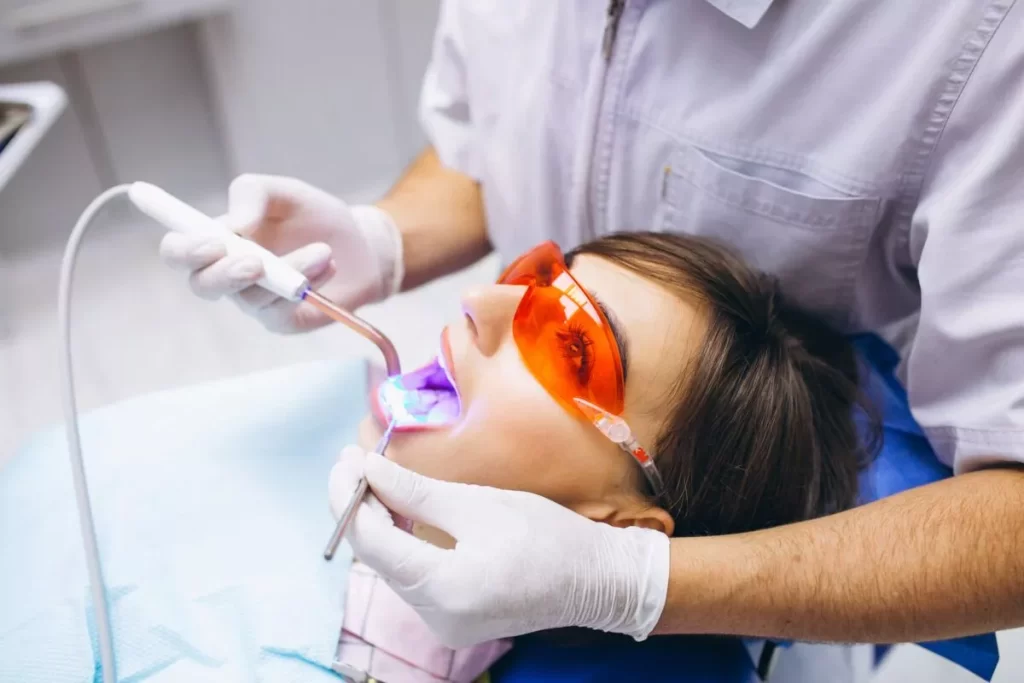
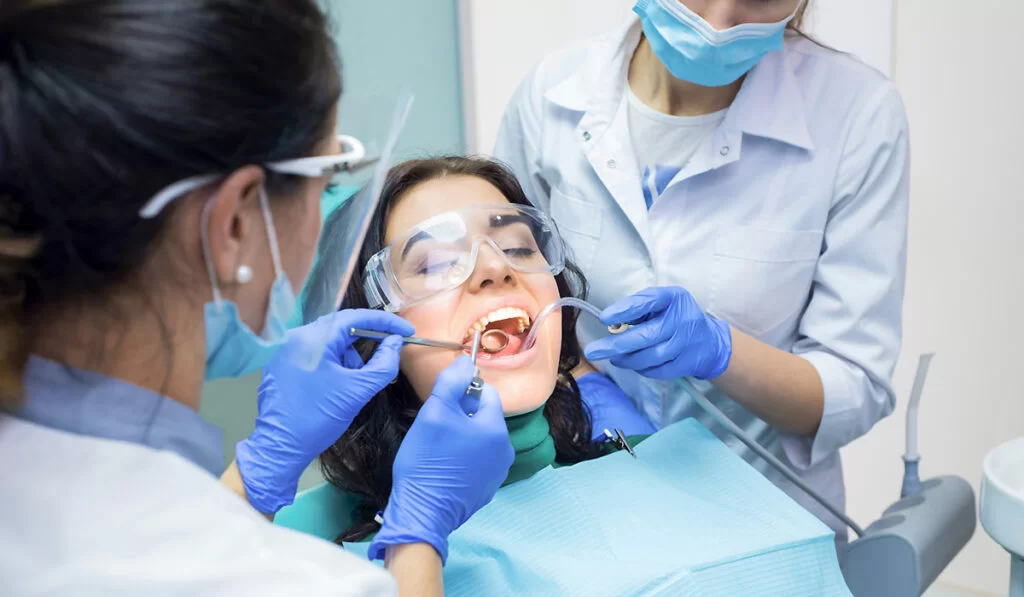
A cleaning visit typically starts with a quick check of your gums and overall mouth health before anything else happens. From there, our team carefully clears away plaque and tartar buildup, polishes away surface stains, and takes a closer look for anything that might need further attention — sometimes with the help of X-rays if something isn’t visible to the eye alone.
Not Sure If It’s Time?
If any of this sounds familiar, there’s no harm in coming in sooner rather than waiting for your next scheduled visit. Our team can also walk you through how our broader family dentistry services support your whole household’s oral health, not just a single appointment.
Ready to get back on track? Reach out to our office to schedule your next cleaning and exam. For general guidance on how often to visit the dentist, the American Dental Association also offers helpful patient resources.
A Few Questions Patients Often Ask
Can I tell on my own if I have a cavity forming?
Not always. Early decay often doesn’t cause pain or visible signs, which is exactly why routine exams matter — your dentist can catch things well before you’d notice anything yourself.
Is it normal for gums to bleed a little when flossing?
Occasional light bleeding when you’re not flossing regularly can happen, but if it continues even with consistent flossing, it’s worth having it checked rather than assumed as normal.
What if I haven’t been to the dentist in a few years?
That’s more common than you’d think, and nothing to feel embarrassed about. Coming in for a cleaning and exam is the best first step, regardless of how much time has passed.
Does a cleaning hurt if there’s a lot of buildup?
It can feel a bit more intense if there’s significant tartar to remove, but it’s generally not painful. Let our team know if you’re feeling any discomfort so we can adjust our approach.